Expansion of traffic rights for golf carriers
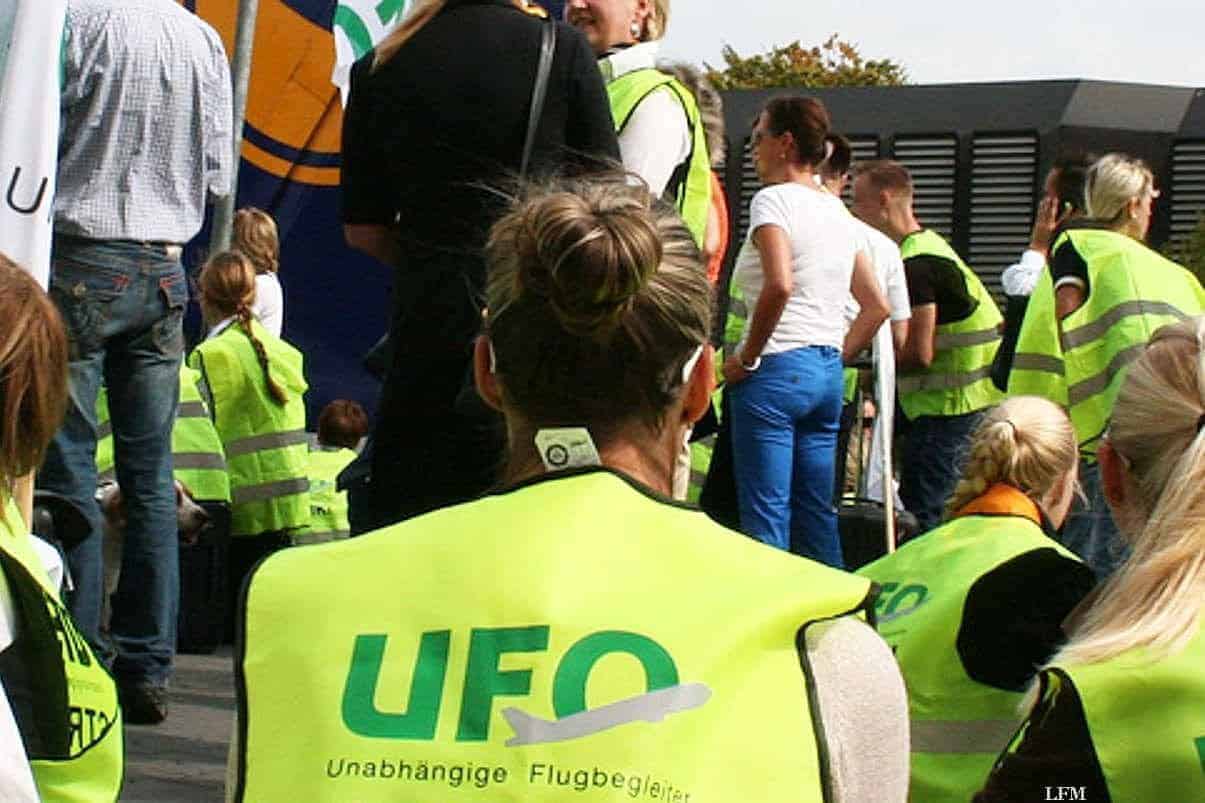
The debate surrounding the expansion of traffic rights for Gulf carriers has intensified, particularly with the German government’s recent plans to grant Emirates Airlines extended landing rights on German soil. The Independent Flight Attendants’ Organization (UFO) warns of the negative consequences such decisions could have on the European air transport market. The debate centers on fair competition, the maintenance of labor and social standards, and the preservation of environmentally and socially responsible structures. Critics emphasize that the situation is further exacerbated by existing air transport agreements with state-owned airlines such as Qatar Airways.
Golf Carrier – Distortion of Competition in Aviation
At the heart of the criticism is the question of competitive distortion caused by state-subsidized airlines. Airlines from the United Arab Emirates or Qatar benefit from financial subsidies that European carriers lack. Furthermore, they are not subject to European climate protection measures or binding labor and social standards to the same extent, which gives them a competitive advantage. These discrepancies create an unequal playing field in which European airlines are increasingly coming under pressure.
Competition between airlines is not just a matter of price and quality, but also of regulation and framework conditions. Differences in safety regulations, employee protection, and environmental requirements in Europe serve to ensure sustainable and socially responsible operations. If these conditions are not applied uniformly across European airspace, serious inequalities arise that can lead to distortions of competition.
This issue also affects the associated employment relationships. Aviation is a major employer in Germany and Europe. Unfair competitive conditions lead to increased cost pressure, which can result in job cuts, deteriorating working conditions, or outsourcing. UFO sees this as a direct threat to important jobs in the industry.
Air transport agreements as a political and economic instrument
Air transport agreements are key instruments for regulating access to the international air transport market. Recently, the European Union granted Qatar Airways almost unrestricted access to the EU air transport market in exchange for free access for European airlines to the Qatari market. These multilateral or bilateral agreements link economic interests with political and regulatory conditions.
However, the unrestricted opening of the market also raises questions about the equal treatment of all market participants. The agreement with Qatar allows Qatar Airways to expand commercially without being subject to the same obligations that apply to European airlines. This creates a significant imbalance that not only poses economic risks but also increases doubts about the fairness and transparency of the negotiations.
These doubts are further fueled by reports of corruption allegations within EU institutions linked to Qatar. The conviction of a high-ranking EU official involved in the negotiations casts a shadow over the integrity of the agreements and decision-making processes within the EU. Such a series of events can severely damage confidence in air transport policy and political institutions.
Social dumping and deregulation as threats to European standards
A key criticism from the cabin crew union is the risk of social and safety standards being eroded through so-called social dumping practices. These practices arise when airlines from third countries accept lower standards for working conditions, employee compensation, and corporate responsibility in order to gain a cost advantage. This leads to ruinous competition that can be detrimental to employees and the quality of air travel.
The renegotiation of air transport agreements with the United Arab Emirates and the ongoing implementation of the agreement with Qatar are seen as examples of neoliberal deregulation that prioritizes economic opportunities for a select few over consumer interests or sustainable development. This results in market distortions that pose an existential threat to small and medium-sized European airlines.
In practice, this means a lowering of the previously high standards that Europe has established as a model in labor law and environmental protection. European aviation policy thus faces the challenge of protecting these standards while simultaneously enabling open trade. Trade unions, such as UFO, are therefore calling for a critical review of existing and planned agreements to ensure that fair competition does not come at the expense of employees and social security.
Conclusion: Risks to European jobs, social conditions and potential environmental regulations
The debate surrounding the expansion of landing rights for state-owned airlines from the Gulf states reflects fundamental questions of fair competition and social justice in European air transport. The concerns raised by the Independent Flight Attendants’ Organization express a broader worry about the balance between economic liberalization and upholding binding standards. While bilateral and multilateral agreements with airlines like Emirates and Qatar Airways open up new market opportunities, they also pose significant risks to European jobs, social conditions, and potential environmental regulations.
To ensure a sustainable and fair aviation policy, transparent negotiations and the alignment of agreements with European standards are essential. The aviation industry and policymakers are called upon to create a framework in which economic growth, social protection, and environmental protection can go hand in hand. Only in this way can fair competition be achieved that meets the diverse interests of all stakeholders and makes European aviation future-proof.
This discourse will continue to play a central role in the coming years, particularly in light of increasing globalization and the challenges posed by climate change. The debate and the exemptions for Gulf carriers exemplify how closely economic, social, and environmental issues are intertwined in international air transport and how important it is to consider these aspects in a balanced way.
Further information can be found in the official statement from the umbrella organization of EU cabin crew unions, EurECCA.
More about UFOs

UFO calls on Lufthansa CityLine cabin crew to stage a warning strike
Hintergrund und aktuelle Situation bei Lufthansa CityLineTarifliche Verhandlungen und die Forderungen des KabinenpersonalsAuswirkungen des Warnstreiks und Bedeutung für die LuftfahrtbranchePerspektiven und mögliche LösungenHerausforderungen