Special flights commissioned by the Foreign Office
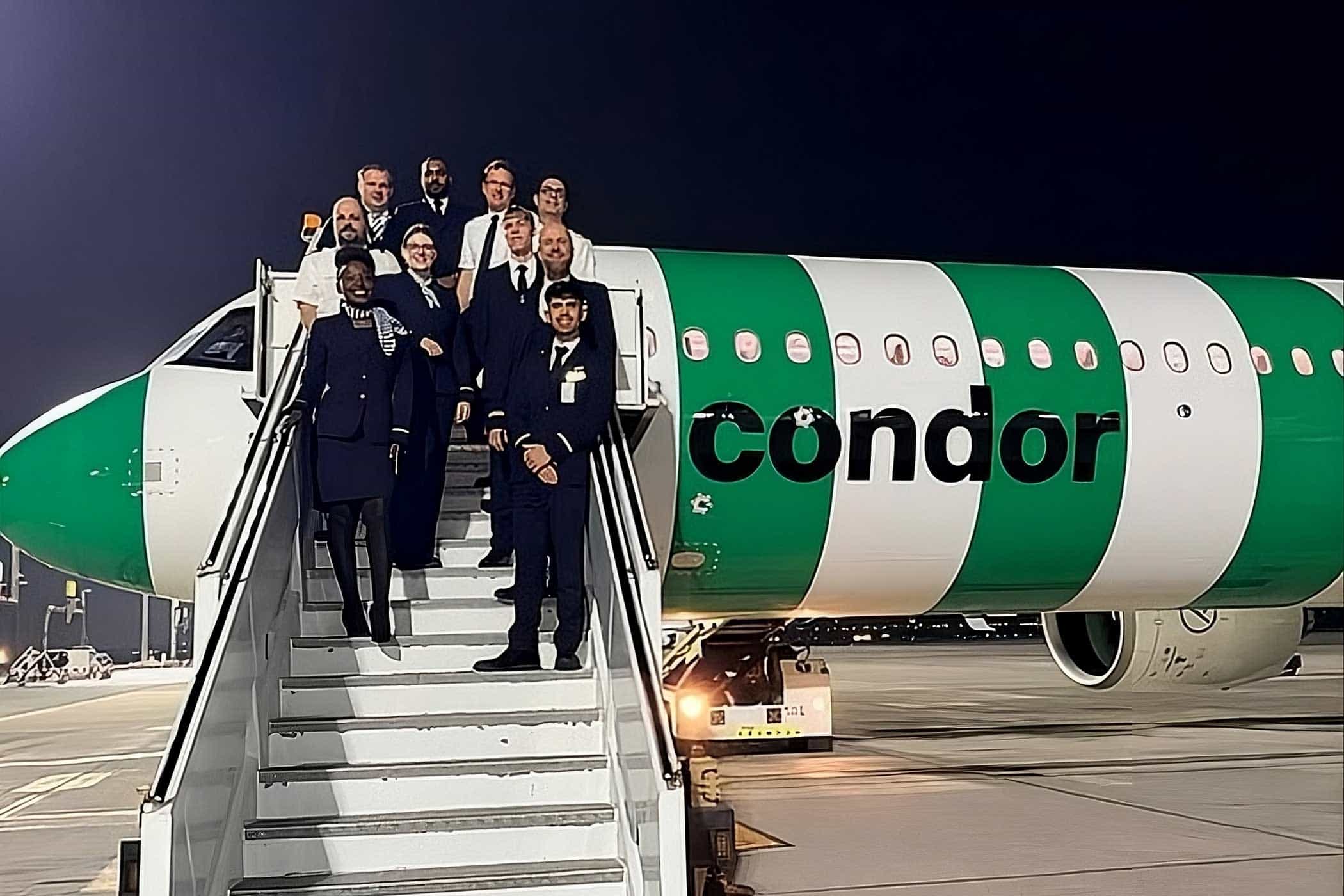
Last weekend, a significant repatriation operation was successfully completed, with two special flights operated by Condor on behalf of the German Federal Foreign Office landing safely in Frankfurt from Muscat, Oman. This special operation enabled the return of approximately 500 travelers who had previously been stranded in a challenging situation in the Middle East. The flights transited through Hurghada, with Condor leveraging its central operational strengths and close coordination with international authorities to provide the travelers with reliable means of return.
This operation exemplifies how, in times of crisis, cooperative collaboration between airlines, government, and authorities can create a swift and safe solution for stranded passengers. The highest safety standards were maintained, which was particularly crucial in the area of flight safety. The following sections detail the organization of the special flights, the cooperation with international partners, and the significance of this measure for the aviation industry and passenger services.
Organization and execution of repatriation flights
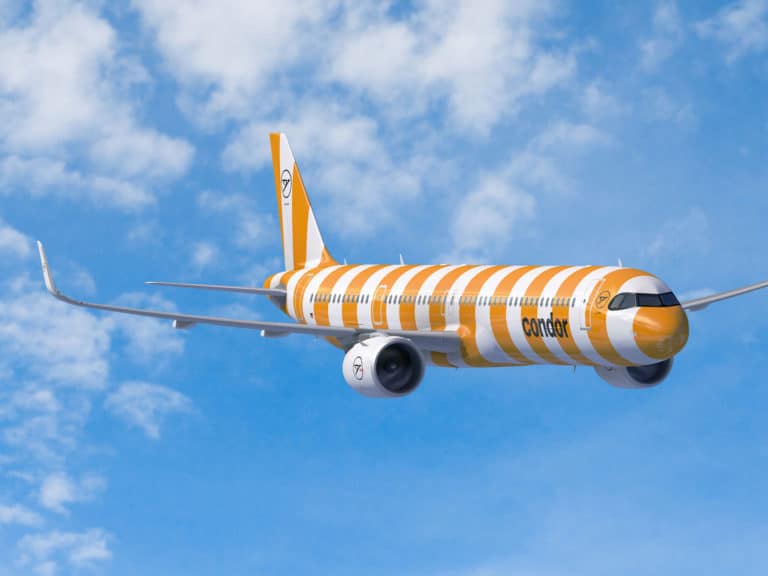
The special flights from Muscat were organized in close coordination between Condor and national and international authorities. A key component was the early registration and selection of passengers by the German Federal Foreign Office, which was responsible for coordinating and informing eligible travelers. This ensured that seats on board the Condor A321neo were allocated efficiently and that those needing to return home were given priority.
Organizing these flights required extensive operational preparation. In addition to precise flight schedule planning, particular attention was paid to compliance with safety guidelines to ensure the protection of both passengers and crew members. The expertise of Condor’s technicians, regular maintenance, and the high standards of flight safety played a crucial role in this. Furthermore, all measures were implemented in accordance with hygiene and health regulations, as the Covid-19 pandemic had made travel more difficult in some areas.
The flight route led from Muscat via Hurghada for a stopover before the final flight to Frankfurt. This planning not only allowed for increased capacity but also more efficient use of existing aircraft and resources. In total, nearly 500 passengers were brought back to Germany within two days, which can be considered a great success given the complexity of the situation.
Cooperation with international partners and tour operators
A key component of the operation was close cooperation with international authorities and organizations. Coordination at the national and international levels ensured that all legal, security, and health requirements were met. This is essential in international flight operations to guarantee a smooth process.
Furthermore, Condor is in regular contact with tour operators directly affected by the altered flight routes and transfer options. Many passengers had originally planned to return via regional hubs in the Middle East, but their travel plans have been adjusted due to the current situation. Condor responded promptly by creating additional special flight offers at short notice. This allowed them not only to organize return flights from Muscat but also to offer additional flights from Malé and Mauritius to Frankfurt.
Avoiding dependence on regional connecting flights is of great importance for the future. It not only reduces potential risks that can arise from unstable political or health situations in transit countries, but also improves the reliability and predictability of return journeys for German travelers abroad.
Operational strength and flexibility in times of crisis
In this exceptional situation, Condor leveraged its operational strength and flexibility to a distinct advantage. The rapid response to changing circumstances and the cross-departmental collaboration within the company enabled the efficient execution of the special flights. Crew members, operations, engineering, and ground staff were closely coordinated to ensure the flights were carried out reliably and according to schedule.
This flexibility was particularly evident in the adjustment of flight schedules and the rapid creation of operational prerequisites for special flights that were not otherwise regularly planned. Close communication between the various departments enabled a response to dynamic changes both locally and in the international air traffic situation.
Furthermore, all measures were implemented in accordance with the highest standards of flight safety. The technical reliability of the aircraft, adherence to safety protocols, and passenger protection were guaranteed at all times. This example underscores how airlines can fulfill their responsibilities in times of global challenges while maintaining the crucial aspects of safety and service quality.
Flexibility and operational strength in the aviation industry
The special flights operated by Condor from Muscat to Frankfurt on behalf of the German Federal Foreign Office represent a successful example of effective crisis management in international air traffic. Around 500 passengers were able to return home safely and according to plan, which in today’s climate is a considerable logistical and operational achievement.
The successful repatriation was made possible through close cooperation among all stakeholders – from government authorities and international partners to tour operators. Furthermore, the operation demonstrates the importance of flexibility and operational strength in the aviation industry, particularly in unpredictable and dynamic situations.
The experience gained from this repatriation effort can serve as a basis for future measures to provide reliable and safe support to travelers worldwide. Creating alternative routes and minimizing dependence on regional connections significantly increases the stability and predictability of international return journeys.
Overall, these measures illustrate how important well-coordinated, professional organization and communication are in aviation – especially when they help ensure that passengers can return to Germany quickly and safely, even in difficult times.
More about Condor:
Condor: Daily flight connection Frankfurt Cairo from May 2026