Introduction to an anniversary of historical significance
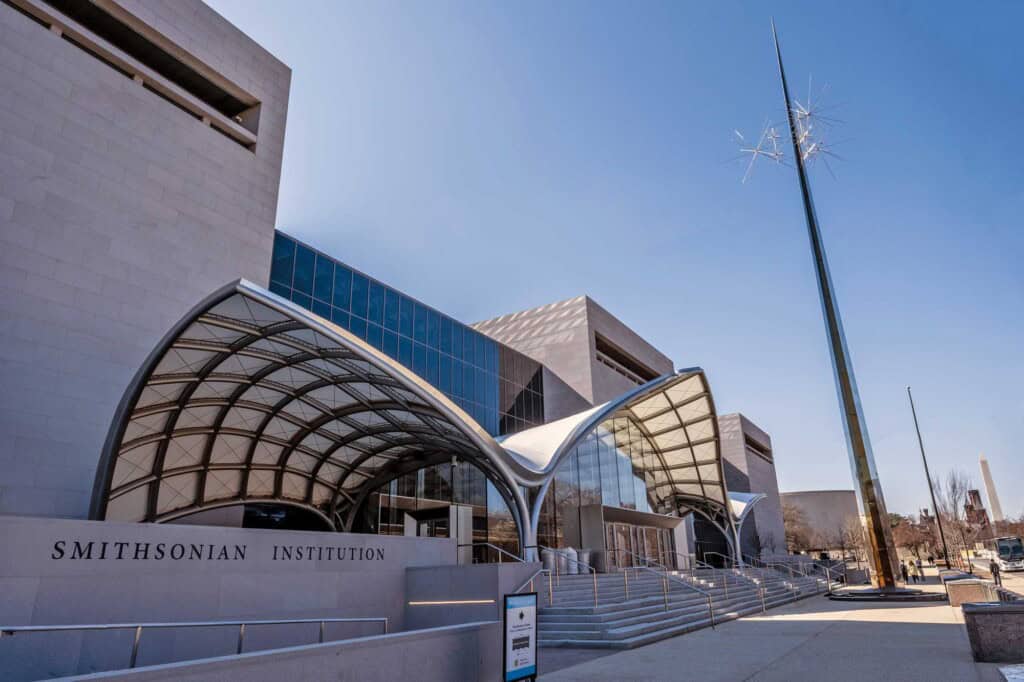
Since its opening in 1976, the National Air and Space Museum in Washington, D.C., has established itself as a world-leading center for aviation and space history. As one of the most visited attractions in the United States, the museum not only reflects the achievements of the American aviation industry but also provides a comprehensive overview of the international development of aerospace technology. With its 50th anniversary approaching in 2026, the museum is embarking on a series of innovations and expanded exhibits that celebrate both the past and the future of aviation and space exploration.
The significance of the collection and renovation
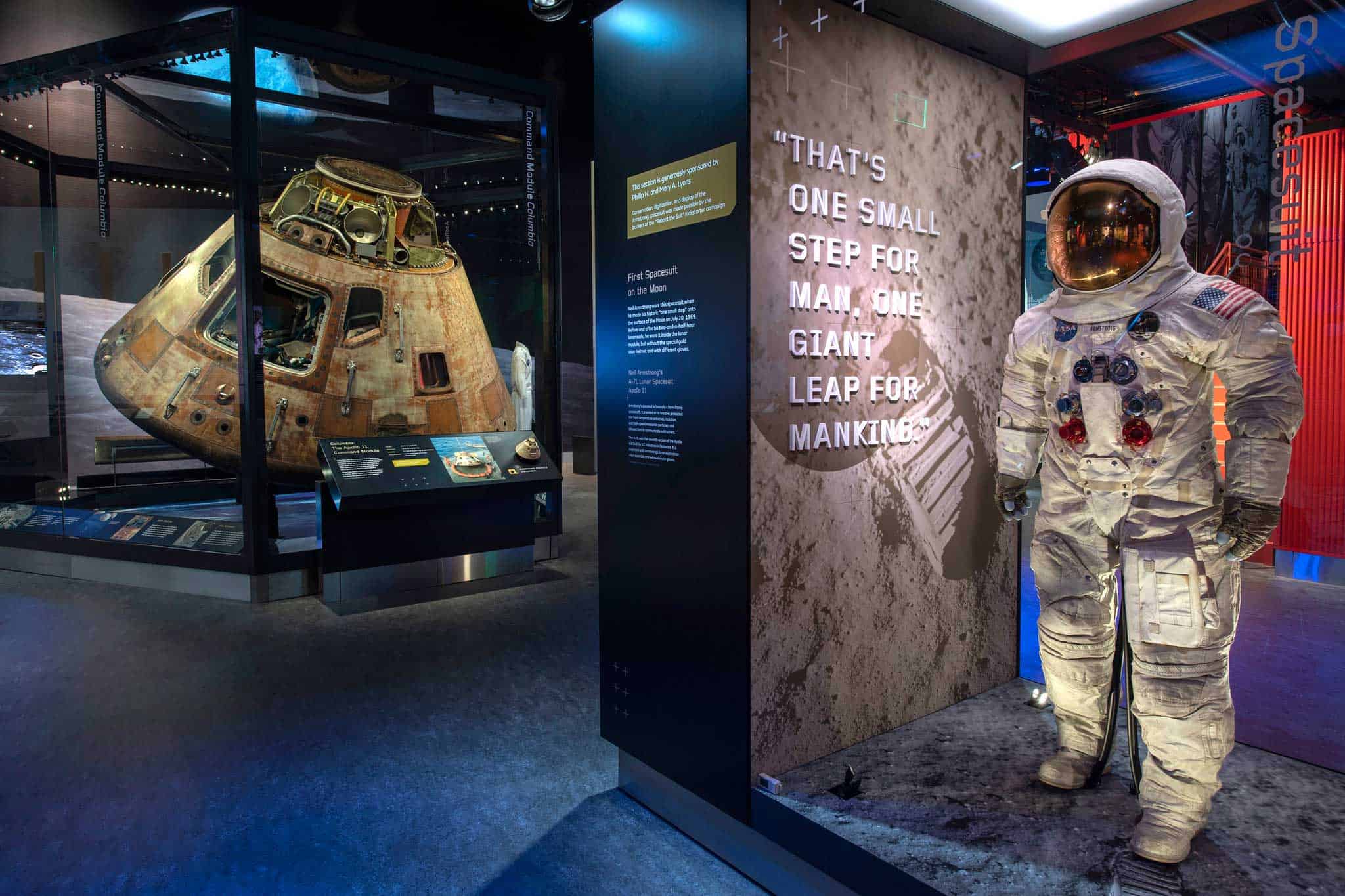
The museum houses one of the most extensive collections of historic aircraft and spacecraft. Among the outstanding exhibits are the Spirit of St. Louis, Charles Lindbergh’s aircraft that in 1927 became the first solo transatlantic flight, and the Columbia command module from Apollo 11, a milestone in human space exploration and a symbol of the first manned moon landing in 1969. In addition, pieces such as the North American P-51 Mustang fighter plane and the Hubble Space Telescope are important testaments to the history of technology.
The extensive, years-long renovation, which began in 2018, aimed to make the museum modern, safe, and accessible while preserving its cultural heritage. These renovations led to the museum’s temporary complete closure, so the reopening of the various areas is eagerly anticipated.
The project also includes the Steven F. Udvar-Hazy Center, a branch near Washington Dulles International Airport, which houses part of the collection. The challenge was to modernize both the main building and the branch for visitors and to update the exhibition technology to enhance its educational and experiential value. Equally important is the ongoing digitization of the more than 6,000 objects, which will be made accessible to interested parties worldwide via online platforms. In this way, the museum will become a vibrant archive of knowledge, not only on-site but also virtually.
“50 for 50” – A national reflection of innovation and diversity
A special highlight of the anniversary celebration is the “50 for 50” initiative, a countdown starting in May 2026. It will showcase each US state’s contributions to aerospace by presenting 50 selected exhibits, each from a different state. This reflects the rich and diverse innovative power of the United States and gives visitors a sense of the national dimension of aviation development. The exhibits are not limited to military or commercial aircraft, but also include technology, documents, and personal stories that shape the image of the industry.
Among the notable new additions is the integration of a New Shepard rocket from Blue Origin. This space system stands as a symbol of the current era of commercial spaceflight and private space companies. The addition of military exhibits such as the Soviet Ilyushin Il-2 Sturmovik broadens the scope to include international military history and illustrates the complex global connections of aviation development. The return of popular exhibits also underscores the importance of classic space and aviation technology in public perception and education.
Future prospects and cultural significance
The completion of the renovations by November 2026 will allow visitors to experience the museum in its entirety, setting new standards for the communication of history and technology. This reopening will represent more than just a return to normalcy: it marks a new beginning and offers the opportunity to inspire visitors with modern exhibition design. The improved infrastructure and digital offerings will help make aviation and space history accessible and understandable to a broad public.
The museum’s role extends beyond mere exhibition activity; it sees itself as an educational and research institution that awakens fascination for flight and space travel and highlights the technical, cultural, and historical significance of these fields. Documenting pioneering achievements plays just as important a role as critically examining issues of safety, ethics, and the environment in the aerospace sector.
A combination of historical exhibits, modern technology and national connection
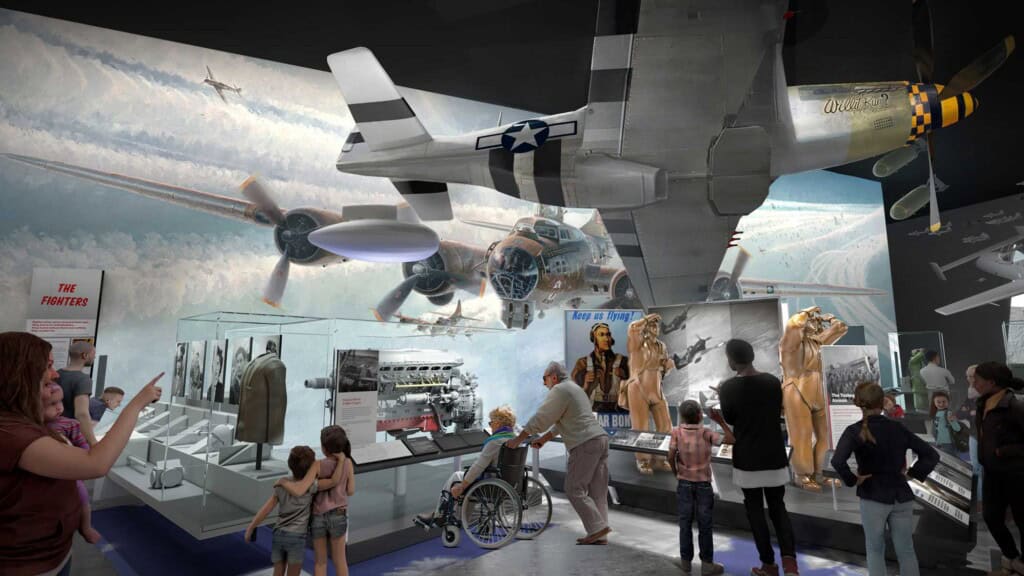
With its 50th anniversary, the National Air and Space Museum not only presents a retrospective of aviation and space history, but also sets a precedent for the future development of this fascinating industry. The combination of significant historical exhibits, modern technology, national commitment through the “50 for 50” initiative, and the integration of contemporary space technology makes the museum a unique place for learning and experiencing the world.
This institution enables visitors to understand the role of aerospace in society – from the beginnings of manned aircraft to global air transport systems and the current challenges of space exploration.
The extensive renovations and the digitization of the collection also ensure the museum’s future viability and promote a sustained engagement with the history of technology at both national and international levels. Thus, the museum remains a vibrant example of the innovative power and cultural significance of aviation and aerospace, one that will continue to inspire and educate people worldwide for decades to come.