Inhaltsverzeichnis
Introduction to the Embraer E-Freighter and its significance for air freight
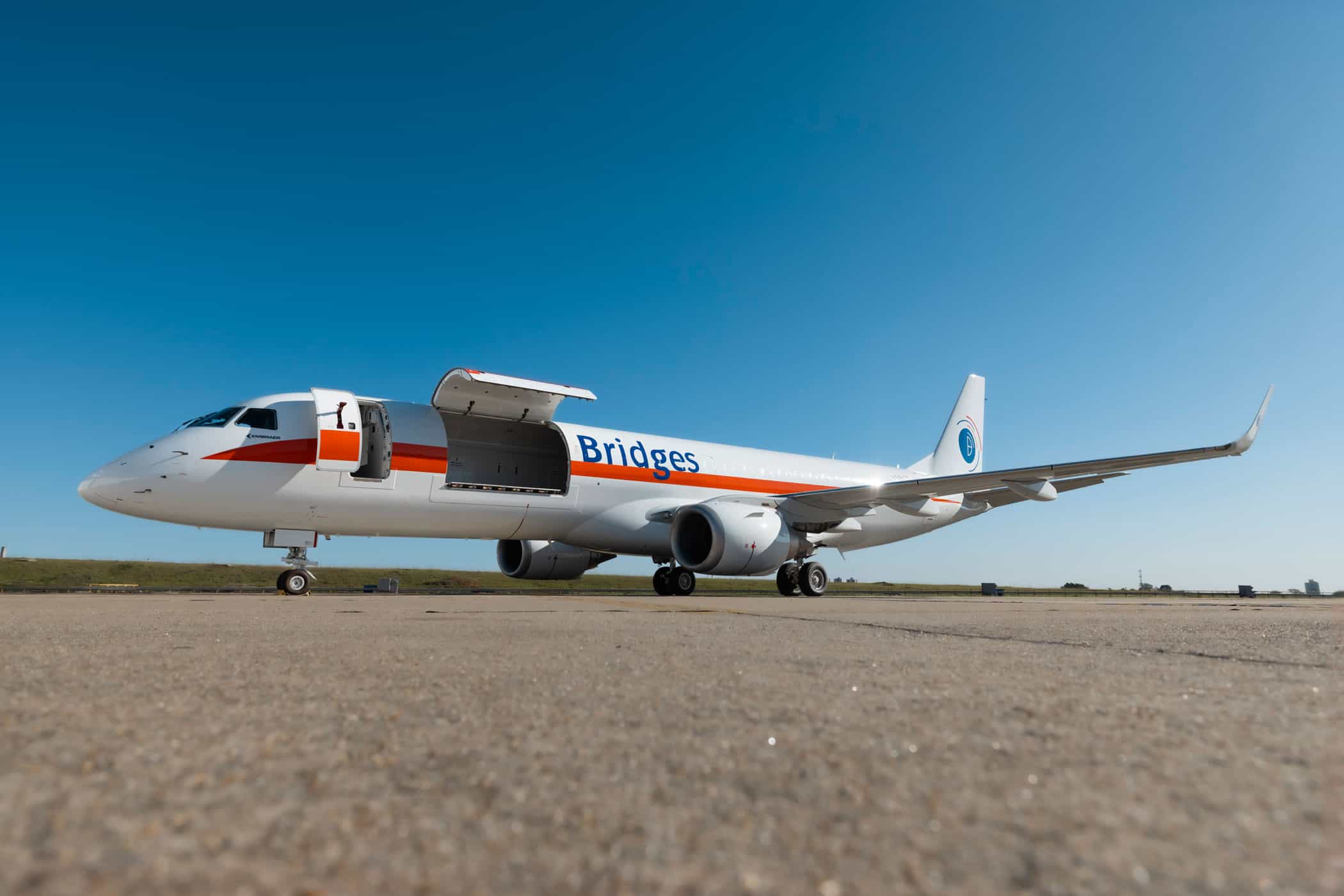
The first Embraer E-Freighter aircraft has successfully commenced commercial operations in Europe, representing a significant development for the air freight industry. Taking off from Cologne, Germany, and landing in Larnaca, Cyprus, the aircraft transported sensitive express shipments, demonstrating its considerable potential within the express delivery network in Europe, the Middle East, and Africa. This new freighter variant is designed to meet the growing demand for rapid deliveries in an increasingly decentralized market. At a time when e-commerce and modern business models require fast, flexible, and efficient means of transport, this aircraft offers an innovative solution that significantly expands capacity and reach in the air freight sector.
Partnerships and strategic importance of the e-freighter
The successful launch of the E-Freighter is the result of close collaboration between Embraer, Bridges Air Cargo, and Regional One. Guy Bridges, CEO of the Bridges Group, emphasizes the intensive work undertaken over the past twelve months on customized containers and efficient handling systems to achieve this milestone. The registration of the Air Operator Certificate (AOC) in Malta provides a solid foundation for developing and expanding the operation of the E190F. This development enables Bridges to become a leading provider of network solutions in the express industry with a capacity of 8 to 12 tons.
Furthermore, George Mamangakis, Chief Investment Officer of Regional One, emphasizes that the start of operations for the E-Freighter represents a significant step in the program and underscores the strength of the partnership. Embraer’s consistent implementation of passenger-to-freight conversion and Bridges’ operational leadership as the launch operator are crucial to this success. The expansion of the partnership in 2025 with two additional passenger-to-freight conversions demonstrates the clear commitment of both parties to further enhance air freight capacity and leverage the innovative power of Embraer’s P2F concept.
Technological advantages and market positioning of the Embraer E190F
The E190F was specifically designed to meet the demands of modern e-commerce and trade, which require fast and decentralized deliveries. It fills an existing gap in the air freight market by replacing older, less efficient aircraft types. With its redesigned layout, the E-Jet offers a significant increase in cargo capacity – over 40% more volume than previous models. Furthermore, the aircraft achieves three times the range of large turboprop freighters while operating at up to 30% lower operating costs than larger narrow-body aircraft.
The combination of cargo space under the aircraft floor and on the main deck results in a maximum structural payload of up to 13,500 kilograms, making the aircraft particularly attractive for transport in secondary and tertiary markets. This feature is especially important for meeting the demands of a fast-paced industry and making supply chains more efficient and flexible. The E190F sets new standards in terms of economy, performance, and operational flexibility, meeting the requirements of the international express and air freight sector.
Challenges and perspectives for the future
Despite its promising advantages, the introduction of a new aircraft type like the Embraer E-Freighter also presents challenges. These include the development and implementation of specialized logistics systems, as well as the training of qualified personnel for the operation and maintenance of the converted aircraft. The importance of stable certification and sound cooperation between manufacturers, operators, and authorities is also crucial to ensuring smooth operation.
Existing partnerships, such as those between Embraer, Regional One, and Bridges Air Cargo, along with the registration of the operating license in Malta, provide a solid foundation for overcoming these challenges. At the same time, they open up new opportunities for expanding the flight network in Europe, the Middle East, and Africa. The increasing demand for fast air freight solutions is further driving these developments. Innovation in passenger-to-cargo conversion will continue to play a vital role in meeting these growing demands.
Conclusion: A new era in the air freight industry
The commissioning of the Embraer E-Freighter represents a significant milestone in the air freight industry and expands the possibilities for network solutions in express transport. The combination of high capacity, reach, and cost-effectiveness is a promising contribution to meeting the increasing demands of e-commerce and modern trade. Strategic partnerships and the ongoing implementation of passenger-to-freight conversions demonstrate the company’s innovative capacity and commitment to this important segment.
This development could lead to a lasting transformation in the air freight market, as older and less efficient aircraft are increasingly replaced by modern, more efficient models. This opens up new perspectives for operators and customers alike, supporting the flexibility and speed that are essential in today’s global trade. The combination of reliable technology, committed partners, and clear market needs ensures a promising expansion of transport options in the air freight industry.